Why Costumes Matter
Costumes are a structured unit of storytelling rather than a decorative addition. In a live setting, where audiences quickly absorb visual information, there is a direct, usually instantaneous effect on perception by managing what the characters wear. Designers must then juggle the narrative clarity, emotional tone, and practical function.

Shaping Narrative Through Visual Identity
Costumes help define who a character is within seconds. A sharply tailored uniform may signal discipline or authority. Worn fabrics and layered textures can imply hardship or lived experience. Even subtle details, such as how polished or distressed a garment appears, influence audience interpretation. In productions with large casts, wardrobe becomes essential for distinguishing roles and relationships.
Visual consistency also helps guide storytelling. If a character undergoes transformation, their clothing often evolves alongside them. Changes in color palette, structure, or silhouette can signal growth, conflict, or decline without direct explanation. This visual progression strengthens narrative clarity and keeps audiences oriented within complex plots.
Influencing Emotion and Atmosphere
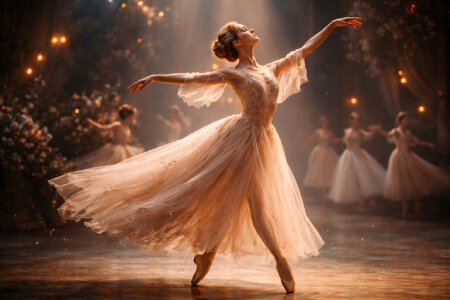
Color theory plays a significant role in costume design. Warm tones can create energy and passion, while cooler palettes may suggest restraint or melancholy. Designers carefully consider how costumes interact with stage lighting, as certain hues intensify or soften under different conditions. The result contributes directly to the emotional atmosphere of a performance.
Texture and movement also affect mood. Flowing fabrics create softness and fluidity, particularly in dance and musical productions. Structured garments convey rigidity and control. When a costume moves with the performer, it enhances physical storytelling. When it restricts movement intentionally, it may communicate tension or constraint within the narrative.
Supporting Performer Transformation
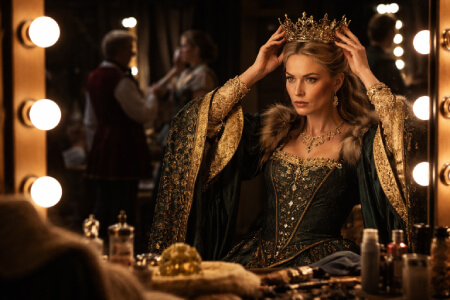
For many performers, costume marks the final step into character. The physical sensation of wearing specific garments changes posture, pace, and gesture. A heavy cloak alters stride. A fitted bodice influences breathing and stance. Footwear alone can transform how a character occupies space on stage.
This transformation benefits both performer and audience. When wardrobe aligns with character intention, movement becomes more authentic. The audience perceives a cohesive portrayal rather than a performer in everyday clothing. Costume therefore functions as a bridge between imagination and embodiment, reinforcing the credibility of the performance.
Behind the Seams
From the idea to the finished gown, every step of the creative journey requires preparation, research, and pulling people together. The designer works closely with the directors, the cast, and the technical team to fulfill an artistic intent, and performance needs. Every stitch is a decision made based on the story and performance requirements.
Concept Sketches and Visual Development
The design process begins with interpretation. Costume designers read scripts carefully, noting character arcs, historical context, and thematic tone. Early sketches translate abstract ideas into visual form. These drawings communicate silhouette, proportion, and color relationships to the broader creative team.
Sketches often evolve through discussion. Directors may adjust thematic emphasis. Lighting designers may advise on how certain colors behave under stage illumination. Designers refine their work to ensure visual harmony across the production. Concept art becomes a roadmap that guides fabric selection, budgeting, and construction timelines.
Fabric Selection and Material Strategy
Choosing fabric involves both artistic and technical considerations. Material weight affects how a garment drapes and moves. Texture influences visual depth under stage lighting. Durability matters, particularly in productions that run for extended periods. Designers must anticipate repeated performances, quick changes, and physical demands placed on costumes.
Breathability and comfort are equally important. Performers work under intense lighting and physical strain. Fabric that looks visually striking but restricts movement or retains heat can compromise performance quality. Designers therefore balance aesthetic goals with functionality, selecting materials that withstand movement while preserving visual impact.
Construction Techniques and Technical Precision
Once materials are selected, skilled artisans bring designs to life. Pattern makers translate sketches into wearable structures. Seamstresses and tailors shape garments through precise cutting and stitching. Construction techniques vary depending on style and purpose. Period costumes may require traditional methods, while contemporary productions sometimes integrate stretch panels or concealed fastenings for flexibility.
Live performance demands durability. Reinforced seams, hidden closures, and adaptable fittings ensure costumes survive repeated wear. Quick-change mechanisms are often built into garments for productions with rapid scene transitions. Technical precision behind the scenes allows the audience to focus entirely on the story without distraction.
Collaboration with Directors and Performers
Costume design thrives on collaboration. Designers work closely with directors to ensure wardrobe aligns with thematic vision. They also consult performers during fittings, adjusting structure and detail to accommodate movement and comfort. Feedback from actors and dancers helps refine garments so they enhance rather than hinder performance.
This dialogue continues throughout rehearsals. As staging evolves, costumes may require modification. A sleeve might need more flexibility. A hemline may need shortening for safety. Effective communication between departments ensures that wardrobe integrates seamlessly into the broader production design.
From Stage to Screen
The principles of costume design may run parallel across the spectrum of entertainment, but live theatre insists on its own idiom. Sitting differently about the apace is the environment, as well as the angle it looks up at, and the technical requirements concerning which costumes would be ideally created and executed. It is through understanding these differences that one begins to see the versatility that characterizes these professionals in costume.
Scale and Visibility in Live Performance
In theater, costumes must read clearly from a distance. Audience members seated far from the stage rely on bold shapes and distinct color contrasts to interpret characters. Fine details may be less visible, so designers emphasize silhouette and strong visual markers. Fabrics often need to catch light effectively to maintain visual presence.
Durability is another defining factor. Stage costumes endure repeated performances, sometimes eight shows a week. Construction must support long-term wear without compromising visual integrity. Repairs and maintenance are ongoing responsibilities within wardrobe departments.
Detail and Realism in Film and Television
Screen productions operate under different conditions. Cameras capture close-up detail, making subtle textures and stitching highly visible. Costumes must withstand scrutiny from multiple angles and high-definition resolution. Designers focus on realism and continuity, ensuring garments appear consistent across scenes filmed out of sequence.
Film and television wardrobes also account for environmental factors such as weather, location shooting, and stunt work. Multiple duplicates of a costume may be required to accommodate action sequences or reshoots. Continuity supervisors track every detail to maintain narrative consistency across filming schedules.
Adaptation Between Mediums
Designers who work across stage and screen adapt their methods accordingly. A theatrical costume might be simplified for film to avoid appearing exaggerated on camera. Conversely, a screen design may need bolder adjustments when adapted for live performance to ensure visibility from a distance.
Despite these differences, the core objective remains the same. Whether on stage or screen, costume design supports storytelling. The tools and techniques shift, but the commitment to narrative clarity and character authenticity remains constant.
Preserving Craftsmanship
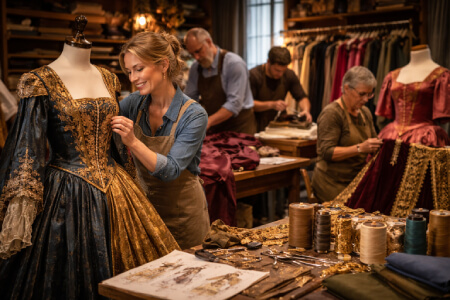
The process of costume designing is a joke if we remove designers who construct them. Support also occurs from milliners, embroidery artists, and textiles who have acquired skills for years before they can bring their professional behavior into each production. It should be noted that to be able to sustain and foster craftsmanship is now imperative to maintain and uphold artistic integrity in live performance art.
The Role of Artisans and Handwork
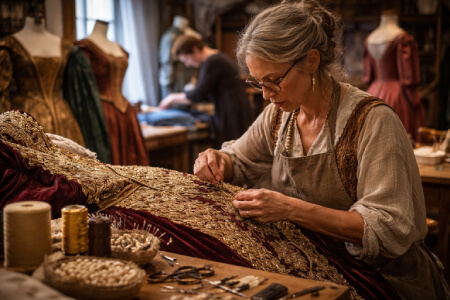
Handwork continues to define high-quality costume construction. Intricate embroidery, structured tailoring, and detailed embellishments require manual precision. These techniques create garments that feel authentic and layered rather than mass-produced. Artisans bring historical knowledge and technical mastery to each piece.
Supporting skilled craftspeople strengthens the cultural value of live performance. Apprenticeships and training programs help ensure that traditional methods are not lost. By investing in craftsmanship, production companies maintain standards that elevate the overall theatrical experience.
Sustainability and Responsible Production
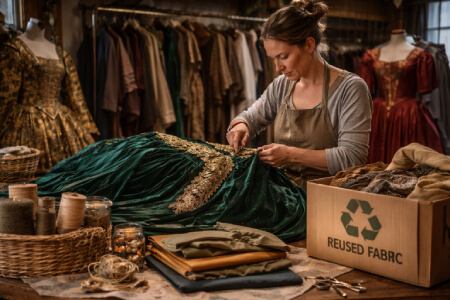
Modern costume departments increasingly consider sustainability. Reusing fabrics, repurposing garments from previous productions, and sourcing responsibly produced materials reduce environmental impact. Conscious design choices align artistic production with broader industry accountability.
Sustainable practices also encourage thoughtful budgeting and long-term planning. Rather than discarding costumes after limited use, wardrobe teams often store, alter, or adapt garments for future productions. This approach preserves resources while honoring the labor invested in each piece.
Supporting Creative Industries
Live entertainment relies on interconnected creative industries. Textile producers, independent designers, costume houses, and craftspeople all contribute to the ecosystem. Supporting these sectors sustains employment opportunities and preserves specialized skills.
Audiences may not always see the work behind the curtain, but they experience its impact. High-quality costume design enhances credibility and emotional engagement. Investing in creative industries ensures that live performance continues to offer immersive, visually compelling experiences.
The Lasting Impression of Costume Design
Costume design throws light on the stories and keeps them alive. Hence, it acts as a vital guide for perception, provides for the transformation of the performers, and demonstrates the visual representation of the theme. Every move has purpose, from initial sketch to finished costume fitting, and is a concentrated creative and technical decision.
There is a framework of design and craftsmanship behind every production. The maintenance of such a legacy supports the well-being of future live theaters. When the costumes are made with thought and concern, it becomes more than just dressing up. It becomes necessary for telling the story long after the curtain falls.